5 Things to Know Before You Buy a VonOff1700 Type Beat
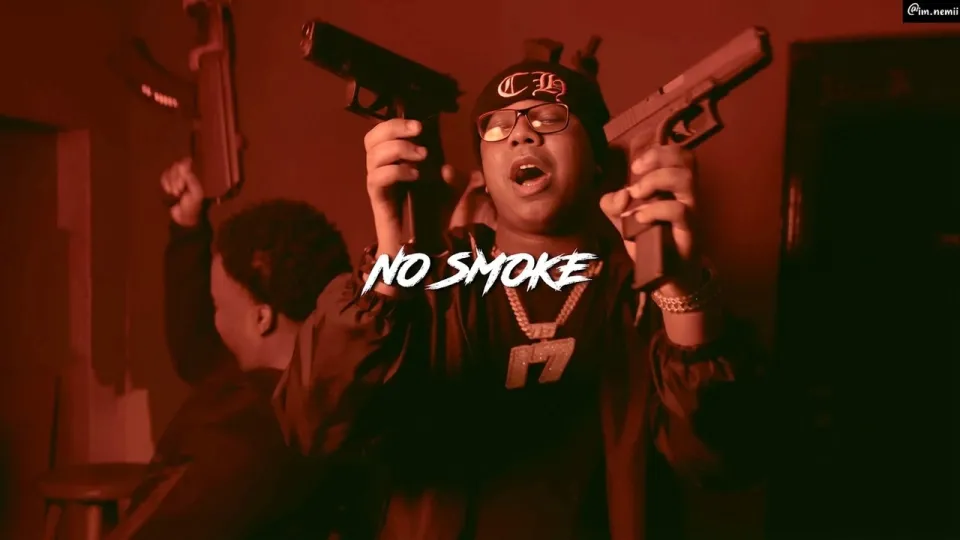
Video: [Hard] VonOff1700 Type Beat - “No Smoke” | Chicago Type Beat 2026
You can order the same kind of articles for your own video to boost it on YouTube and Google. Just message the Telegram bot @sat_sit_bot. It writes articles around your video, embeds the video and publishes them on popular niche websites (no ads). Try it free: 50 articles on us.
· based on the channel Nemii
A type beat is an original instrumental tagged with the name of a reference artist so that rappers searching for that sound can find it; in this case, "No Smoke" is a hard Chicago drill instrumental built in the style of VonOff1700 and produced by Nemii, and you can hear it through the licensing page for the beat. The track is aimed at anyone who wants that dark, aggressive drill pocket rather than a generic trap loop.
What a VonOff1700 type beat actually is
The label describes a sound, not a copy. A producer studies the tempo range, drum selection and arrangement habits associated with an artist, then builds a new instrumental that sits in the same lane. For VonOff1700 that means Chicago drill: brisk hi-hat rolls, sliding 808s, clipped snares, minor-key melodies and enough space at the top for a dense, punchy vocal delivery.
The tags on "No Smoke" show how the market is segmented. The same file is pitched as a Chicago drill type beat, a hard drill beat, a dark Chicago drill beat, a sample-based beat, and a cross between VonOff1700 and Bloodhound Q50 or Screwly G. Each tag is a separate search entry point, because rappers rarely type a genre alone; they type the artist whose records they want to sound like.
That is also why the file is described as "hard." In drill, hardness is a production choice: distorted 808s, sharp transients, a melody that feels tense rather than pretty, and a mix that leaves the low end dominant. A soft, melodic drill beat and a hard one can share a tempo and still serve completely different verses.
How to license the beat and what you get
Buying a type beat is a licensing transaction, not a download. Nemii states plainly that "No Smoke" is not a free beat to rap on: releasing a song over it on digital platforms requires a purchased license. The standard structure in this market is a lease, which grants limited distribution rights and a set stream or sales cap, versus an exclusive, which transfers broader rights and removes the beat from public sale.
- Open the beat licensing page to see available options and prices.
- Choose a lease tier that matches your release plan, or ask about exclusivity if you need full control.
- Purchase the untagged, high-quality file through the untagged purchase link, which runs a buy-two-get-one-free offer.
- Keep the license receipt; distributors and content-ID systems may ask for it.
- Credit the producer as the license requires when you publish.
The tagged version you hear in a preview is a demo, not a release-ready file. Untagged delivery is the point of paying, because the producer tag would otherwise sit over your vocal on every platform.
Typical questions from rappers before they commit
The most common hesitation is about free use. Producers in this lane frequently offer a free download for practice or non-profit work while requiring a paid license for commercial release, and the description here is explicit that a license is needed for digital platforms. If a free tier exists, it usually carries limits on monetization and streaming volume.
A second recurring question is whether a type beat can be used for freestyles and videos. Freestyle and practice use is generally the most permissive tier, but any upload that generates revenue, including ad-supported video, falls under the commercial terms. Read the tier before you record, not after you upload.
A third is about sound-alike concerns. A type beat imitates a style, not a specific recording; the melody, drums and arrangement are original work by the producer. What you cannot do is claim the instrumental as your own production or resell it as a beat pack.
Finally, artists ask whether a beat like this suits their voice. Drill rewards a delivery that lands slightly ahead of the beat with hard consonant emphasis; if your writing is dense and rhythmic, a stripped-back hard drill loop leaves room, while a busy sample-based beat can crowd the vocal.
The Chicago drill scene behind the tags
The reference names attached to "No Smoke" map a real network of Chicago artists: VonOff1700, Bloodhound Q50, Screwly G, Lil Speedy, Rell Vert, Chuckyy, FullyChop, Lil Scoom89 and BabyChiefDoit. Type beat tagging follows that network because fans and rappers search along it, and a producer who lands a beat in the same pocket as two or three of those names reaches a wider pool of buyers.
Chicago drill itself is defined by its rhythm section more than its melody. The drums tend to be dry and forward, the 808s glide between notes rather than sit statically, and the arrangement often drops elements out for a bar to let the vocal hit harder. A sample-based variant, which the tags also advertise, adds a chopped or pitched loop on top of that foundation.
That is why a single instrumental can be listed under a dozen overlapping queries: hard Chicago drill type beat, dark Chicago drill type beat, sample Chicago drill type beat, free Chicago drill type beat. The underlying file is the same; the search terms reflect how different rappers describe the sound they are chasing.
All the links for this beat in one place
- Licensing and lease options: https://bsta.rs/Hxl2S2
- High-quality untagged purchase, buy two get one free: https://bsta.rs/fCVYYX
- Producer contact and coupon codes on Instagram: https://www.instagram.com/im.nemii/
- Full beat catalog and more instrumentals: https://nemiiofficial.com
- Email for custom beats and exclusives: beatbynemii@gmail.com (no loop submissions)
Custom work is a separate path from buying a catalog beat. If you want an instrumental built around your tempo, key or reference tracks, the Instagram and email contacts are the route, and the producer explicitly asks that loops not be sent to that address.
How to judge whether a hard drill beat fits your record
Start with the pocket. Play the beat and count your bars aloud; a drill instrumental should let you land a full 16 without rushing or stretching. If you have to squeeze syllables, the tempo or the hi-hat pattern is fighting you.
Then check the low end on the systems your listeners actually use. Drill lives or dies on the 808, and a beat that sounds enormous on headphones can turn to mud in a car or on a phone speaker. Bounce a rough vocal over the preview and listen on at least three devices before you commit to a license.
Next, test the arrangement. A hard beat with constant energy for three minutes leaves no room for a hook to stand out. Listen for sections where the drums drop, where the melody changes, or where the producer left a gap; those gaps are where your ad-libs and vocal takes will breathe.
Finally, compare against the reference lane. If you are aiming at a VonOff1700-style record, the beat should feel aggressive and forward rather than smooth and melodic. A mismatch here is the most common reason a good song never quite lands.
Summing up the VonOff1700 type beat route
"No Smoke" is a working example of how the modern type beat market operates: one hard Chicago drill instrumental, tagged across VonOff1700, Bloodhound Q50 and Screwly G searches, sold under a license rather than given away, and supported by a full catalog and direct producer contact. The practical sequence is simple: listen, confirm the pocket and the low end, buy the right tier, then record with an untagged file. Start with the licensing page, and if you want more instrumentals in this lane, the video breakdown on the Nemii channel covers the same sound in context.
Key takeaways
- "No Smoke" is a VonOff1700-style Chicago drill instrumental produced by Nemii and published on June 20, 2026.
- The beat is not free for release: a lease or exclusive license is required before distribution on streaming platforms.
- Nemii's licensing page is https://bsta.rs/Hxl2S2, with untagged files at https://bsta.rs/fCVYYX under a buy-two-get-one-free offer.
- The related-artist tags point to Bloodhound Q50, Screwly G, Lil Speedy, Rell Vert, Chuckyy and FullyChop.
- Custom and exclusive work is handled through Instagram (@im.nemii) and beatbynemii@gmail.com, with no loop submissions.
- Type beats are search-optimized instrumentals tagged with a reference artist's name so rappers can find a matching sound.
Source: [Hard] VonOff1700 Type Beat - “No Smoke” | Chicago Type Beat 2026 · Markdown version
Questions & answers
Can I release a song over a VonOff1700 type beat for free?
Not if the beat is sold under a commercial license, and "No Smoke" is explicitly not a free beat for release. You need a lease or exclusive before distributing on streaming platforms. Free downloads in this market are usually limited to practice or non-monetized use.
What does buying an untagged file actually give me?
It gives you the instrumental without the producer tag layered over the audio, at full quality, plus the license terms for your tier. The tagged preview is only a demo. Keep the receipt, since distributors and content-ID systems may request proof of the license.
Does a type beat copy the original artist's song?
No. A type beat imitates a style, tempo range and drum character, but the melody, drums and arrangement are original work by the producer. What you cannot do is claim the instrumental as your own production or resell it as part of a beat pack.
How do I know if a hard drill beat suits my voice?
Record a rough 16 over the preview and check the pocket: you should land the bars without rushing. Then test the mix on headphones, a car and a phone speaker, because the 808 is what makes or breaks a drill record. If the beat feels too busy for your delivery, a more stripped-back loop will serve you better.