How to Make a Lil Tony Type Beat That Actually Hits
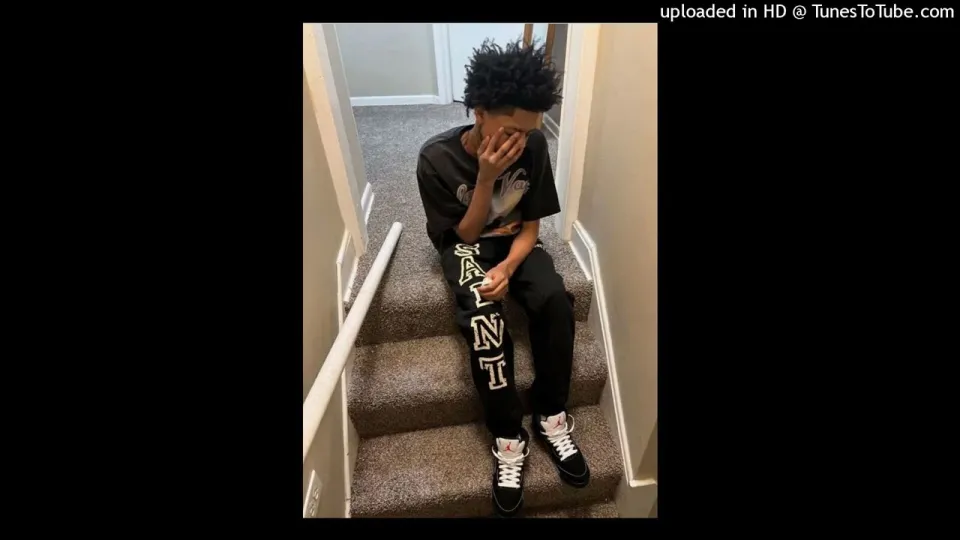
Video: [FREE] lil tony + fullychop type beat - "really rich"
You can order the same kind of articles for your own video to boost it on YouTube and Google. Just message the Telegram bot @sat_sit_bot. It writes articles around your video, embeds the video and publishes them on popular niche websites (no ads). Try it free: 50 articles on us.
· based on the channel prod julioo!
A Lil Tony type beat is a sample-driven Atlanta drill instrumental built around chopped soul or vocal loops, sliding 808s, and sparse, punchy drums, usually set between 155 and 165 BPM. The fastest way to get one is to grab a free-for-profit beat like prod julioo!'s "really rich" at 158 BPM from the download page, or to build your own by chopping a sample, layering 808s, and keeping the arrangement minimal. This guide breaks down exactly how that sound is constructed and how to use it legally.
What Defines a Lil Tony Type Beat
A Lil Tony type beat is defined less by a single drum pattern and more by its sample-first approach. Lil Tony's catalog, along with related Atlanta artists like FullyChop, 2Sdxrt3all, and Dre6o, leans on pitched-up or pitched-down vocal chops, looped soul phrases, and a mix that leaves obvious space for ad-libs. The drums are usually simple: a hard kick, a snappy clap or rim, rolling hi-hats, and an 808 that glides between notes instead of sitting static.
The term "type beat" itself means an instrumental made in the style of a specific artist, not an official track. Producers tag them so rappers can search for the exact vibe they want. That is why titles stack names: "lil tony + fullychop type beat" tells a rapper both the tempo and the texture before they even press play.
Key traits of the style:
- A looped sample as the main melodic element, often a vocal phrase rather than an instrument.
- 808 slides that answer the sample instead of doubling it.
- Hi-hat rolls that switch between straight and triplet patterns.
- Minimal arrangement — intro, loop, drop, loop, outro — with little melodic variation.
- Heavy headroom for vocals; the beat should not fight the rapper.
How to Build the Beat Step by Step
Start with the sample, because everything else in a Lil Tony type beat is written around it. Pick a soul, gospel, or R&B phrase, then pitch it up or down until it sits in a minor key. Chop it into two- or four-bar loops and find the one bar that feels like a hook. If the sample has a vocal, isolate a short syllable and use it as a rhythmic stab.
Then set your tempo. "really rich" runs at 158 BPM, which is a common pocket for this style — fast enough for double-time flows, slow enough that the 808s still knock. Anything from 155 to 165 BPM works; test your sample at each tempo before committing.
Next, program the drums:
- Place the kick on the downbeats and one syncopated hit per bar.
- Add a clap or rim on the third beat, or layer both for a wider snap.
- Write hi-hats in 1/16 notes, then add 1/32 rolls at the end of every second bar.
- Keep the first four bars drum-only so the drop hits harder.
After the drums, write the 808. Match it to the root notes of your sample, then add one or two slides per phrase. The 808 should move, not just sustain — that glide is what separates an Atlanta drill beat from a generic trap beat.
Finally, mix. High-pass the sample around 100–150 Hz so the 808 owns the low end, sidechain the sample to the kick if it clashes, and keep the master around -6 dB before limiting. The goal is a beat that sounds loud on a phone speaker and still has a clean low end in a car.
Tempo, Key, and Sound Selection
Tempo and key do most of the emotional work in this subgenre. Minor keys dominate, and producers often pitch samples down a semitone or two to make them feel heavier. If your sample is in a major key, try pitching it down until it lands on a minor tonality — that single move gets you most of the way to the Lil Tony sound.
Sound selection matters just as much as note choice. Use 808s with a long tail and a clean sub, not distorted one-shots. Use claps with a short decay so they cut through the sample. Avoid stacking too many melodic layers; in this style, the sample is the melody.
For reference, here is the spec of a working example:
- Title: "really rich"
- Artists referenced: Lil Tony and FullyChop
- Producer: prod julioo!
- BPM: 158
- License: free for profit on YouTube and SoundCloud with credit; lease required for Spotify and Apple Music
Common Questions From Rappers and Producers
One recurring question is whether a beat like this is genuinely usable for free. The answer depends on the platform. On YouTube and SoundCloud, the producer's terms allow free-for-profit use as long as you put "prod. julioo!" in the title. On Spotify, Apple Music, and other streaming services, you need to buy a lease first.
Another common concern is whether a sample-based beat will get flagged. Sample-based type beats carry the same clearance risk as any sampled record, so if a track starts generating real revenue, clearing the sample or switching to a leased, cleared instrumental is the safer route.
A third question is about vocal fit. Because these beats are sparse, rappers sometimes rush the pocket. The fix is to write to the hi-hat pattern rather than the kick — the hats tell you where the double-time and triplet pockets are. If your flow feels crowded, cut words rather than adding them.
Finally, producers often ask how to stand out when the market is saturated. The answer is texture: unusual sample sources, unexpected pitch shifts, and 808 patterns that move differently from everyone else's. Copying the template gets you in the door; a distinct sample choice is what gets you repeat customers.
Licensing and Credit Rules
Licensing is where most beginners get burned, so read the terms before uploading. For "really rich," the producer states that the beat can be used free for profit on platforms that allow crediting the producer in the title, such as SoundCloud and YouTube. That means the credit "prod. julioo!" must appear in your title.
For distribution to Spotify, Apple Music, and similar platforms, a lease must be purchased. A lease typically grants commercial distribution rights for a set number of streams or sales, and it does not transfer ownership of the beat. If a song outperforms the lease terms, you upgrade.
Practical checklist:
- Put "prod. julioo!" in the title for YouTube and SoundCloud uploads.
- Buy a lease before any DSP distribution.
- Keep a copy of the license terms with your release files.
- Credit the producer in the description as well as the title.
- If the sample in the beat is uncleared, treat that as a separate risk.
Where to Find Beats and How to Reach the Producer
Free type beats are distributed mainly through YouTube and BeatStars, and the fastest way to start is to download an instrumental and write to it the same day. prod julioo! releases beats under this name and also runs a Discord community where producers and artists trade feedback and find collaborators.
Useful links:
- Download "really rich": https://bsta.rs/qiWLVq
- Join the Discord: https://discord.gg/hZbGKzrRGy
- Contact on Instagram: https://www.instagram.com/prodjulioo
When you download a free beat, save the file with the BPM and key in the filename. That single habit saves hours later when you are tracking vocals and need to match a session tempo.
Final Thoughts
Making a Lil Tony type beat comes down to four moves: chop a sample, set the tempo in the 155–165 BPM range, program sliding 808s under sparse drums, and leave space for the vocal. The style rewards restraint more than complexity, so resist the urge to add layers. If you would rather start with a finished instrumental, grab "really rich" from the download page, credit prod julioo! in your title, and write to it today. Just remember that free-for-profit use applies to YouTube and SoundCloud, while streaming platforms require a lease. This breakdown was built around the work of prod julioo!, whose catalog is a solid reference point for anyone studying the Atlanta drill sample sound.
Key takeaways
- Lil Tony type beats sit around 155–165 BPM; "really rich" runs at 158 BPM.
- The core is a chopped soul or vocal sample, not a synth melody.
- 808s carry the low end; drums stay sparse so the sample breathes.
- prod julioo!'s "really rich" is free for profit on YouTube and SoundCloud with "prod. julioo!" in the title.
- Spotify and Apple Music releases require a paid lease.
Source: [FREE] lil tony + fullychop type beat - "really rich" · Markdown version
Questions & answers
Can I use a free Lil Tony type beat for profit?
It depends on the producer's terms. For "really rich," free-for-profit use is allowed on platforms that let you credit the producer in the title, such as YouTube and SoundCloud, as long as you write "prod. julioo!" there. Uploading to Spotify or Apple Music requires purchasing a lease first.
What BPM are Lil Tony type beats usually made at?
Most sit between 155 and 165 BPM. "really rich" is set at 158 BPM, which is a typical pocket for the style because it supports both double-time and triplet flows. Test your sample at a few tempos in that range before locking one in.
Do I need to clear the sample in a sample type beat?
Yes, if the beat contains an uncleared sample, the clearance risk passes to your release once it generates meaningful revenue. Leasing the instrumental does not automatically clear the underlying sample. If a track gains traction, either clear the sample or switch to a cleared instrumental.
How do I make my vocals fit a sparse drill beat?
Write to the hi-hat pattern instead of the kick, since the hats mark where the double-time and triplet pockets sit. If your flow feels crowded, cut words rather than adding them. Sparse beats punish over-writing more than they punish simple delivery.